Too many recipes demand exotic spice pastes and three separate pans on a Tuesday evening. We focus on clear stovetop heat management, reliable dry-pantry foundations, and demystifying viral food trends so you get satisfying meals on the table with minimal friction.
Cooking gets faster when you decide on your practical limitation before you look at ingredients. Choose the operational path that matches your current kitchen energy.
Dry Goods Focus
No Groceries Purchased
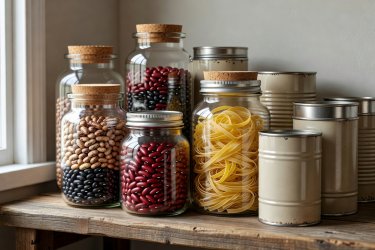
Work from shelf-stable chickpeas, crushed tomatoes, garlic cloves, and dried spaghetti without running to the store.
A well-stocked cupboard is not just an emergency backup; it is an intentional dinner station. By combining dried pulses with acidity and toasted aromatics, weeknight cooking feels effortless.
Roman Pasta e Ceci (Chickpea & Ditalini Stew)
This classic Roman preparation relies on canned chickpeas simmered with tomato paste, rosemary, and olive oil. Pureeing half the chickpeas thickens the broth into a glossy sauce that coats short pasta without needing heavy dairy.
Cannellini beans simmered gently with sliced garlic cloves browned in extra virgin olive oil, dried oregano, and crushed red pepper flakes. Finish with a squeeze of fresh lemon juice and crusty bread.
Flake jarred or tinned solid tuna in olive oil over warm jasmine or medium-grain rice. Drizzle with soy sauce, toasted sesame oil, and quick-pickled scallions or chili crisp for instant savory depth.
Single-pan meals succeed when you respect the order of operations: sear proteins hot for surface browning, reserve them, soften aromatic vegetables in the rendered fats, and deglaze with liquid to form an integrated reduction.
Never overcrowd the skillet. Whether searing chicken thighs or cubes of firm tofu, pat the surface thoroughly dry with a paper towel. High moisture causes steaming instead of caramelization (the Maillard reaction), which deprives your pan of savory browned bits (fond).
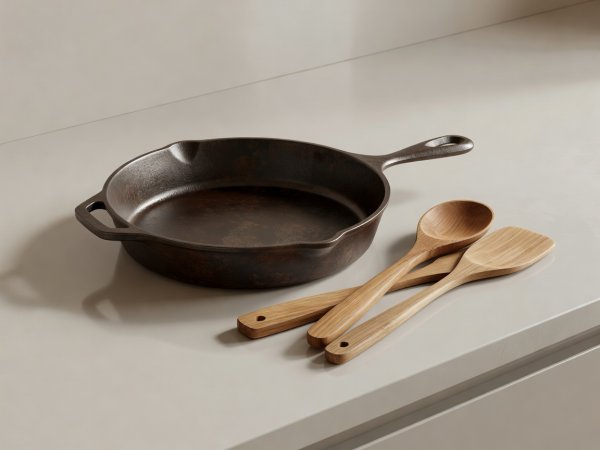
Remove the seared elements to a plate. Lower the flame to medium, add diced shallots, garlic, or leeks, and stir until fragrant. Pour in stock, dry vermouth, or pasta water while scraping the bottom with a flat wooden spoon to dissolve all caramelized flavor.
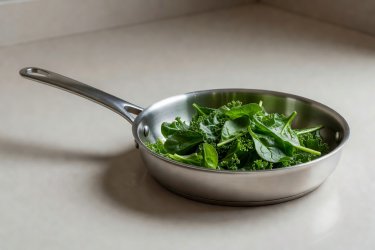
Nestle the protein back into the skillet along with quick-cooking grains (like orzo or parboiled rice) or leafy greens. Cover with a tight-fitting lid to finish cooking through via steam, keeping proteins juicy and vegetables tender.
Viral Under The Microscope
A Trend Worth Understanding
Internet food trends spread because they look dramatic in ten-second clips, but the ones that endure do so because of solid physical cooking principles. The viral sheet-pan feta phenomenon succeeded because feta’s high fat and moisture content allows it to break down smoothly into cherry tomato acidity when roasted above 200°C (400°F).
Learn how to strip away the social media sensationalism and retain the functional kitchen technique that actually saves time.
Heating Sichuan chili crisp oil directly in a skillet before cracking in whole eggs fries the outer albumin edges into a blistered, lacy crunch while preserving a runny yolk center. The chili flakes infuse into the egg white rather than sitting cold on top.
Heat LevelMedium-High
Cook Time3 Minutes
SkillHeat Control
Prepare Once, Cook More Easily
Batch preparation shouldn’t mean eating five identical plastic containers of dry chicken breast and broccoli. We endorse component prepping: building flexible foundations that take minutes to assemble in diverse ways throughout the week.
Component Batch
Active Prep Time
Storage Life (Fridge)
Weeknight Transformation
Roasted Shallot & Herb Vinaigrette
8 Minutes
10-12 Days
Warm potato salad dressing, grain bowl glaze, pan sauce binder
Simmered Puy Lentils with Mirepoix
25 Minutes
5 Days
Folded into leafy greens, pureed into soup, tossed with feta
Charred Red Pepper & Walnut Dip
12 Minutes
7 Days
Sandwich spread, flatbread sauce base, fish marinade topper
Cooking competence builds from repeating timeless templates until they become second nature. Master these three foundations to unlock hundreds of spontaneous variations.
Italian Technique
Cacio e Pepe Emulsion
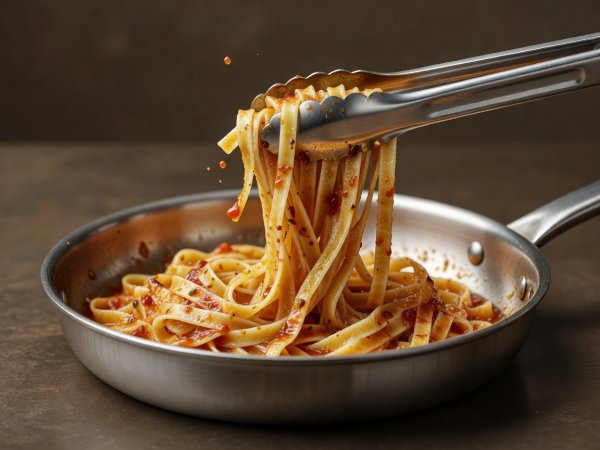
The lesson here is friction and starch water temperature. Adding finely grated Pecorino Romano directly into boiling water curdles the dairy; swirling it into warm starch water off the heat creates velvety cling without cream.
A benchmark of Chinese home cooking: soft curds of egg scrambled in seconds, followed by stewed ripe tomatoes that release natural sugars and MSG to form a comforting gravy over steamed rice.
Tinned chickpeas warmed in their own aquafaba before being whipped with quality tahini, raw garlic, and cold water achieve restaurant-grade creaminess in an everyday blender.
Got a pan smoking or wondering why your sauce separated? Here are quick direct links to our most consulted troubleshooting answers.
Cheese clumps when exposed to excessive heat or pre-shredded starches. Pre-bagged cheeses are coated in potato starch or cellulose to prevent sticking, which ruins emulsions. Always grate whole blocks and take the pan off the direct heat source before folding cheese into starch water.
Yes. The one-pan pasta technique (risottata) relies on simmering pasta directly in measured broth or liquid. As the noodles cook, their released starch stays trapped in the sauce, resulting in an exceptionally silky consistency.
About cookies Some cookies are needed for the site to work. Others help us understand how it is used. You can change your choice later. More about cookies